The Latest Saks Fifth Avenue Greenwich Closures: What It Means for Luxury Retail 🛍️
Hey fashion lovers! It’s Chronicles here, welcoming you back to Beauty Chronicles. You guys know I am obsessed with shopping at Saks, sharing my latest unboxings, and hunting down the absolute best designer deals for you all. By the way, if you haven’t checked out my ultimate saks fifth avenue sale guide yet, you are missing out on some serious savings! But today, we’re taking a little detour from our usual hauls to talk about some major retail tea that’s shaking up the luxury world.
📌 News Overview
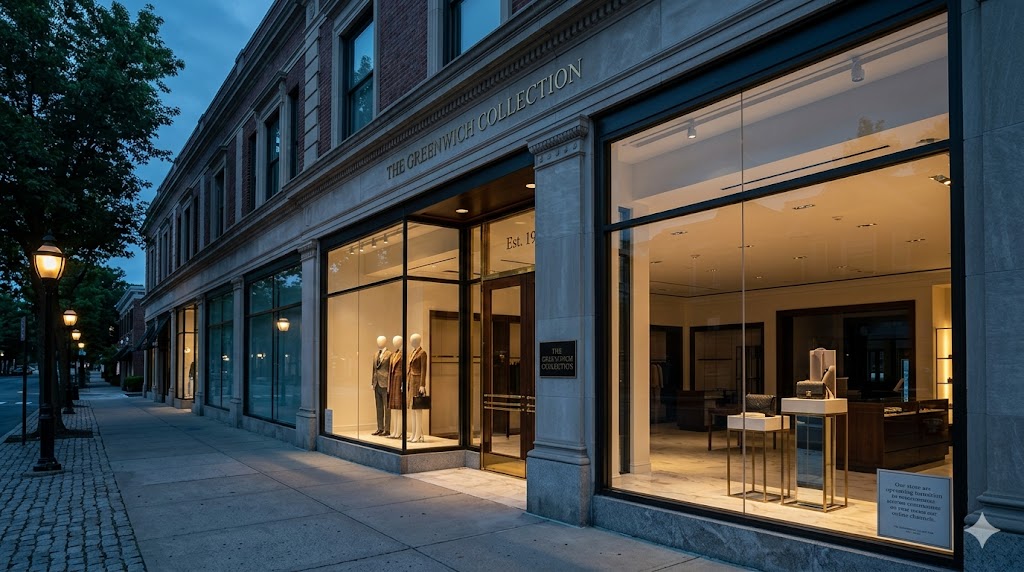
So, I was just reading a report from CT Insider, and it looks like Saks Fifth Avenue is shutting down two of its three locations in Greenwich, Connecticut. Now, if you know Greenwich, you know it’s one of the wealthiest towns in the entire country—with a per capita income of around $250,000, which is way above the national average! Saks currently has three stores there (a full-price flagship and two specialty shops). Closing two of them is a huge sign that Saks is seriously rethinking its retail footprint. Honestly, this totally aligns with the “store optimization” strategy their parent company, Hudson’s Bay Company (HBC), has been pushing since they filed for bankruptcy protection back in 2020. They’ve been steadily shedding underperforming locations to pour all their resources into massive, core flagships and their online shopping experience. It just goes to show that even in ultra-rich neighborhoods, high-end retail is facing some real efficiency challenges.
🔑 Core Takeaways
- Channel Optimization: By closing two stores and keeping just the flagship in Greenwich, Saks is proving they are all about “trimming the fat and focusing on the core.” Even in a wealthy market, having the most stores isn’t the goal anymore.
- The Wealthy Market Paradox: In theory, a town with a $250k average income should easily keep multiple Saks locations booming. But in reality? That money is going straight online or right into New York City (which is literally a 30-minute drive away). The local “shopper retention rate” just isn’t there.
- Post-HBC Bankruptcy Shifts: Following HBC’s 2020 bankruptcy protection, the total number of Saks stores dropped from a peak of around 60 down to roughly 45 by 2025. This Greenwich closure is just the latest move in a long-term trend.
- Structural Challenges in Luxury Retail: This situation perfectly highlights the current struggle for high-end department stores. High-net-worth shoppers are shifting their spending away from “local suburban department stores” and moving toward a combo of “online shopping + major city flagships.”
🔍 Industry Background
Let’s look at the bigger picture! The US luxury department store market is sitting at around $60 billion in 2025, but it’s only growing at a sluggish 1-2% annually—way behind the 3-4% growth of general retail. Saks is an absolute icon (right up there with Neiman Marcus, Bergdorf Goodman, and Nordstrom), currently operating about 45 doors. After the 2020 HBC restructuring, shutting down less profitable suburban and small-town spots became the ultimate survival strategy. Instead, they are hyper-focusing on legendary flagships like Fifth Avenue in NYC, Beverly Hills, and Michigan Avenue in Chicago. At the same time, Saks is pouring money into its e-commerce game! Online sales now make up about 30% of their total revenue in 2025, a massive jump from just 18% in 2020. This “shrink offline, expand online” playbook is exactly where luxury retail is heading.
📊 Industry Insights
- The “Rich Suburb” Spending Leak: Greenwich is undeniably affluent, but proximity to NYC is a killer. Wealthy shoppers would rather make the 30-minute trip to Manhattan for the ultimate experience at Bergdorf’s or the Saks NYC flagship. Local stores suffer from the “showroom paradox”—people go in to try things on, but the actual transaction happens online or in the city. Running multiple stores in that environment just burns money.
- The Flagship Strategy: Saks, Neiman Marcus, and Nordstrom are all playing the same game—protecting their crown jewel flagships and ditching the rest. These massive stores aren’t just for sales; they are essentially giant billboards and media hubs for the brand. Their value goes way beyond the cash register.
- HBC’s Financial Hurdles: Debt restructuring slashed HBC’s liabilities from $4 billion to about $1.5 billion, but the pressure is still on. With 2025 revenues around $7 billion and a net loss of $200 million, cutting dead weight is crucial. Closing an underperforming store saves them $5M-$10M a year in losses, which instantly helps the bottom line.
- The Shift to “Experience”: Have you noticed how different the stores feel lately? Saks is turning its flagships from mere “places to buy stuff” into full-blown “experience hubs.” The NYC flagship is adding fine dining, beauty spas, and artist residencies, shrinking actual retail floor space from 85% to 70%. The logic is simple: if you can just click and buy it online, the only reason to visit a physical store is for an experience you can’t get on your phone.
💼 Business Impact Analysis
🎯 Key Data
- 45 Stores: Total Saks Fifth Avenue US locations in 2025, down significantly from a peak of ~60 (via HBC Annual Report).
- 30%: Online sales share for Saks in 2025, a massive leap from 18% in 2020.
- $250,000: The per capita income in Greenwich, making it one of the wealthiest demographics in the nation.
📈 Trend Forecast
Short-Term (6-12 Months): After the dust settles in Greenwich, Saks will likely funnel those saved resources into upgrading the remaining flagship there, bumping up service and exclusivity. Honestly, I wouldn’t be surprised to see that flagship’s revenue jump 10-15% as local traffic consolidates. Breaking the leases and severance for the closed stores will cost HBC around $5M-$8M, which we’ll see hit their Q2-Q3 earnings in 2026.
Long-Term (1-3 Years): The pruning isn’t over, guys. Expect Saks to close another 5 to 8 underperforming locations between 2026 and 2028, bringing the total count down to around 37-40 stores. Meanwhile, they are going to go hard on digital, aiming for e-commerce to hit 40%+ of total sales by 2028. What’s really fascinating is Saks testing an “asset-light” model—subleasing store space to brand-owned boutiques, fancy eateries, and art pop-ups to offset their own operating costs. If it works, it could literally save the traditional department store model!
🌐 Target Audience & Scenarios
Target Audience: High-net-worth shoppers in and around Greenwich, retail industry insiders, and commercial real estate nerds (I see you!).
Use Cases: Luxury shopping planning, retail trend analysis, and tracking commercial real estate vacancy shifts.
The Solution: If you live in Greenwich, your best bet is hitting up the remaining flagship or doing what I do—ordering via Saks.com and using in-store pickup if you can’t wait for shipping. For my retail industry followers, this is a textbook case study on “luxury channel optimization.” The multi-store suburban model is dead; long live the “Solo Flagship + E-Commerce” era!
❓ Frequently Asked Questions (FAQ)
Q1: Why can’t a super-rich town keep luxury department stores alive?
A: It all comes down to “spending leakage.” Greenwich is only 30 minutes from NYC. If you have that kind of money, you’re going to Manhattan for the bigger selection and VIP treatment. Add in the convenience of online powerhouses (like Saks.com, Net-a-Porter, and MyTheresa), and local stores just become fancy fitting rooms where people try on clothes before buying online.
Q2: Is Saks going to close even more stores?
A: Yep, unfortunately. HBC’s optimization strategy is ongoing. We’re looking at another 5-8 closures between 2026 and 2028. However, the pace will slow down because the obvious “dead weight” stores are already gone. Future closures will be heavily debated.
Q3: How does Saks compare to Nordstrom right now? Who has the edge?
A: They have similar vibes but totally different strategies. Saks is going ultra-premium (focusing heavily on major city flagships), while Nordstrom is casting a wider net with both full-price stores and their discount Rack locations. Nordstrom’s diversified approach makes them way more resilient to economic bumps. Saks’ high-end focus could mean better profit margins when the economy is booming, but right now, financially speaking, Nordstrom is sitting a bit prettier.
What do you guys think about all these store closures? Are you strictly an online shopper now, or do you still love the thrill of an in-store luxury experience? Let me know in the comments below, and don’t forget to keep an eye on my blog for the next big Saks unboxing!
— XOXO, Chronicles 💋